2026/10/26 11:48
Climate Change Is No Longer a Future Problem
Climate change is already affecting people’s daily lives through heatwaves, floods, droughts, wildfires, rising seas, and extreme weather. The United Nations describes climate change as one of the biggest threats to development, with impacts that fall hardest on the poorest and most vulnerable communities. This is why climate action is not only an environmental issue; it is a question of safety, health, food security, housing, jobs, and social fairness.
The urgency is clear. The UN states that urgent and transformative action is needed to avoid catastrophic consequences and secure a sustainable future for coming generations. But urgency should not lead to despair. It should encourage practical action at every level—global, national, and especially local.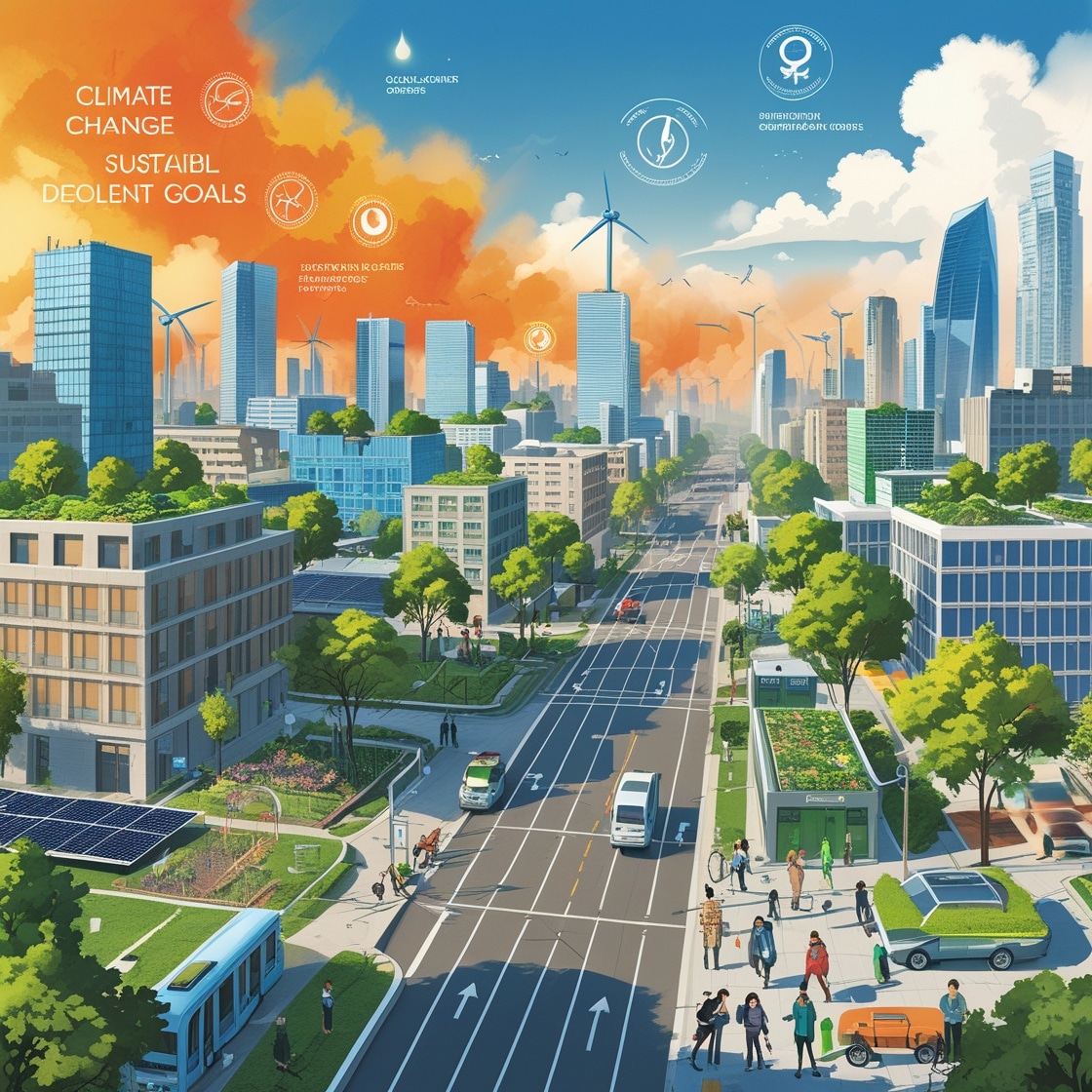
Local Communities Are on the Front Line
Climate impacts do not appear only in global statistics. They appear in flooded streets, damaged homes, failed harvests, water shortages, and heatwaves that put older people and outdoor workers at risk. Local communities are often the first to experience these effects and the first to respond.
UNEP notes that local communities are central to effective adaptation because they understand their own local conditions, risks, and needs. A coastal town may need storm protection and mangrove restoration. A rural farming area may need drought-resistant crops and better water management. An urban neighborhood may need shade, cooling centers, drainage improvements, and emergency plans. Local knowledge makes climate action more realistic and effective.
SDGs Turn Global Goals Into Local Action
The SDGs can seem abstract when discussed at the global level, but they become meaningful when applied to a specific community. The UN Secretary-General has emphasized that the SDGs are “eminently local,” because goals related to education, health, poverty, hunger, and climate must be achieved in municipalities and communities before they can be achieved nationally.
SDG 13 calls for strengthening resilience and adaptive capacity to climate-related hazards, integrating climate measures into planning, and improving education and early-warning systems. SDG 11 focuses on making cities and communities inclusive, safe, resilient, and sustainable. Together, these goals encourage communities to prepare for climate risks while improving everyday life for residents.

Practical Community Actions That Work
Local SDG action does not need to begin with large-scale projects. It can start with practical steps that reduce risk and strengthen community life:
Plant trees and create green spaces to reduce heat and improve air quality.
Restore local wetlands, mangroves, or forests to protect against floods and storms.
Improve drainage, water storage, and emergency communication systems.
Support local food production and climate-resilient agriculture.
Create community maps that identify vulnerable residents and evacuation routes.
Organize workshops on disaster preparedness, energy saving, and waste reduction.
Include older people, children, women, people with disabilities, and marginalized groups in planning.
UNEP highlights that locally led adaptation can include ecosystem restoration, climate-resilient water management, climate-smart agriculture, and nature-based livelihoods. These actions protect the environment while also strengthening local economies and social trust.
Inclusion Makes Communities Stronger
Climate resilience is not only about infrastructure. It is also about people. A community can recover more quickly when residents trust one another, share information, and include everyone in decision-making. If vulnerable groups are excluded from planning, solutions may overlook the people who face the greatest risks.
The UN emphasizes that climate adaptation must prioritize people with the fewest resources to cope with climate hazards, and that capacity-building efforts should focus on women, youth, local communities, and marginalized groups. Community-based adaptation works best when residents participate in identifying risks, choosing solutions, and monitoring results.
From Local Action to a Sustainable Society
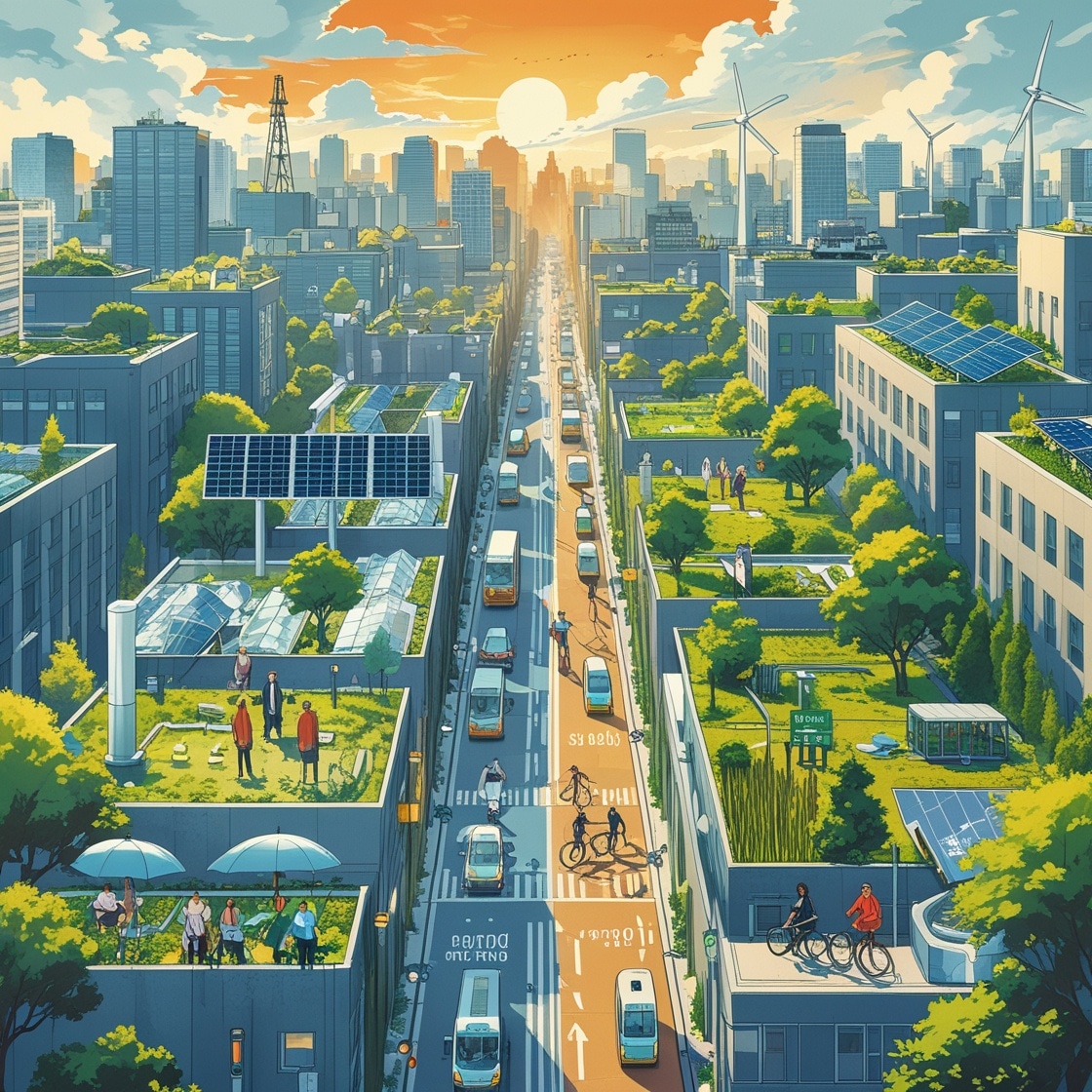
A sustainable society is built through many connected local efforts. When a neighborhood plants trees, a school teaches climate awareness, a town improves drainage, and residents reduce waste together, they are doing more than responding to one crisis. They are creating a culture of preparedness, cooperation, and long-term thinking.
The UN notes that local and regional governments are essential partners in delivering the SDGs and that many SDG targets are directly linked to their responsibilities. However, governments cannot act alone. Residents, schools, businesses, community groups, and local organizations all have a role to play.
Climate change demands urgent action, but local SDG initiatives show that meaningful responses are possible. By combining practical adaptation, inclusive participation, and care for nature, communities can protect people today while building a more resilient and sustainable society for tomorrow.