2026/10/27 14:52
A New Kind of Society Is Emerging
The future of the SDGs will not be created only by governments, companies, or individual lifestyle changes. It will also be shaped by new social systems: ways of connecting people, sharing knowledge, delivering services, and making decisions. Artificial intelligence, digital platforms, open data, and global cooperation are beginning to create these systems.
The United Nations describes digital technologies as tools that can support development, but stresses that their benefits must be made inclusive, safe, and fair. Its Global Digital Compact calls for responsible, accountable, transparent, and human-centered approaches across the entire life cycle of digital technologies. This signals a major shift: innovation is no longer judged only by speed or profit, but by whether it helps people and the planet.
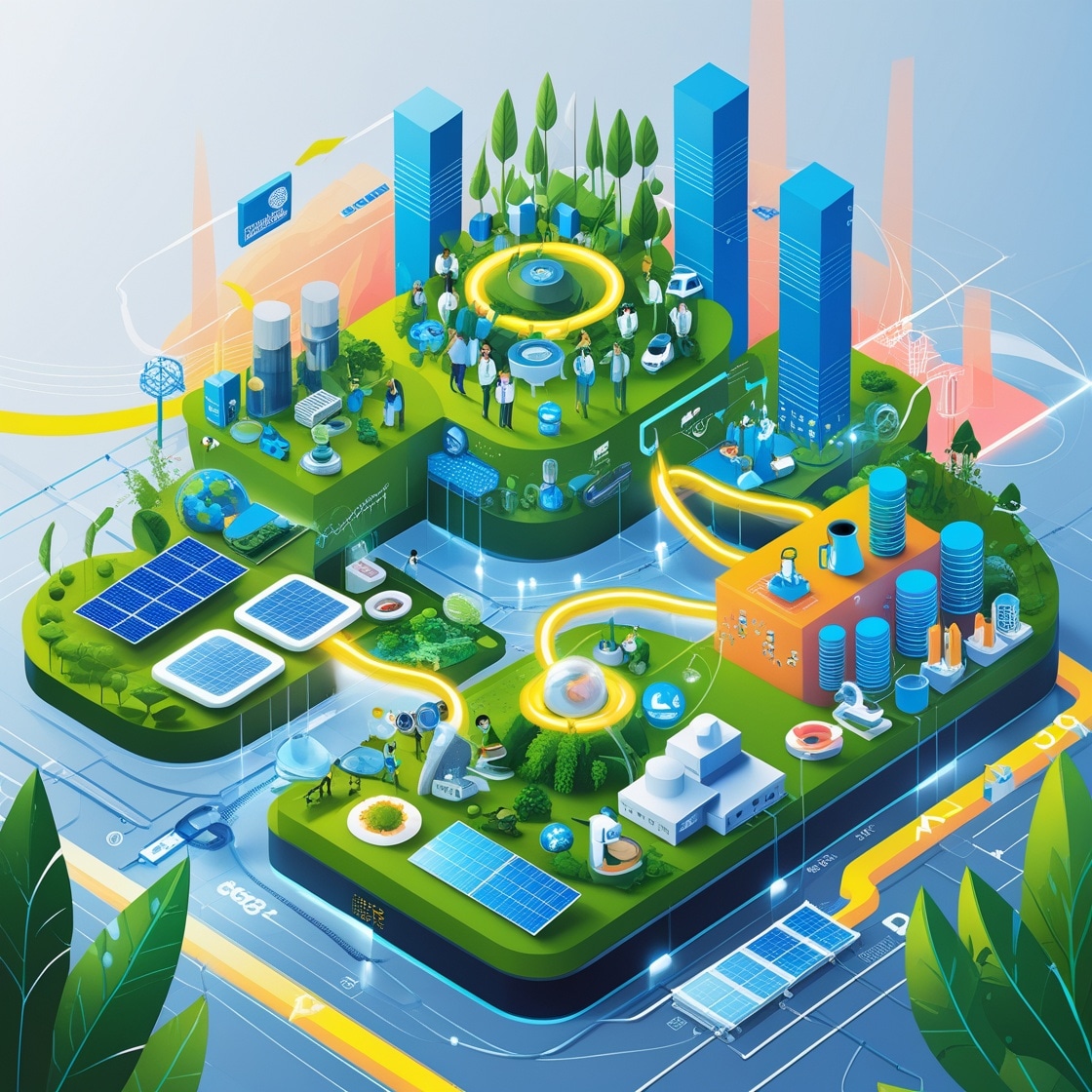
AI Can Make Public Services More Responsive
AI can help societies respond to people’s needs more quickly and accurately. In healthcare, it can support diagnosis, predict disease risks, and improve access to medical information. In education, it can personalize learning and help teachers focus on individual students. In public administration, it can simplify services, improve accessibility, and help governments understand community needs.
The UN notes that AI offers opportunities to expand access to healthcare, education, public services, food security, climate resilience, and scientific discovery. These applications can make public systems more responsive, especially for people who have historically been underserved. However, AI should support human decision-making, not replace it. The Global Digital Compact emphasizes transparency, accountability, and robust human oversight.
Digital Public Goods Can Reduce Inequality
One of the most important innovations is the idea of “digital public goods”: open-source software, open data, open AI models, open standards, and open content that can be used for the public benefit. These tools can help countries and communities build solutions without having to start from zero.
The UN encourages investment in digital public goods that respect privacy, do no harm, and help achieve the SDGs. For example, open weather data can support farmers, open health data can improve disease response, and open educational resources can expand learning opportunities. The Global Digital Compact specifically links digital public goods and infrastructure to SDGs 8, 9, and 10, which cover decent work, industry and innovation, and reduced inequalities.

Innovation Must Include Everyone
A future SDG society cannot leave people behind. Digital access is still uneven, and many communities lack affordable internet, devices, digital skills, or the ability to influence how technology is designed. The UN warns that without safeguards, AI could deepen inequality, spread misinformation, threaten human rights, and concentrate power among a small number of governments and companies.
The solution is not to reject innovation, but to design it inclusively. The UN calls for closing digital divides, expanding digital skills, protecting human rights online, and ensuring that developing countries can build their own AI capacity. Inclusion means involving women, young people, people with disabilities, local communities, and developing countries in shaping digital systems—not merely giving them access after decisions have been made.
New Partnerships Are Part of the System
Future SDG systems will depend on partnerships across borders and sectors. Governments can set fair rules, companies can build useful tools, researchers can evaluate risks, civil society can represent affected communities, and local governments can adapt solutions to real needs.
The UN’s Global Dialogue on AI Governance highlights the importance of international cooperation, knowledge sharing, technology transfer, and sustainable financing to support national priorities. The Pact for the Future also emphasizes cooperation among governments, the private sector, civil society, technical and academic communities, and international organizations to develop digital solutions for the SDGs.
This collaborative model is itself an innovation. Instead of relying on one central authority, societies are learning to coordinate diverse actors through shared standards, open platforms, and transparent governance.

A Human-Centered Future Is Possible
AI and other innovations will continue to change how societies work. The most important question is whether they will strengthen human dignity, equality, and sustainability. The UN states that AI can accelerate progress toward the SDGs when used responsibly, improving healthcare, education, agriculture, accessibility, and scientific research.
A future SDG society should be built around three principles: technology should serve people, innovation should include everyone, and progress should be measured by wellbeing as well as economic growth. The UN’s Pact for the Future even encourages moving beyond GDP toward measures that include wellbeing and sustainability.
The new social systems now emerging are not simply digital versions of old structures. They can become more open, participatory, and adaptive—if people choose to build them that way. AI, digital public goods, and global cooperation can help create a society where innovation supports the SDGs and leaves no one behind.