2026/10/28 10:31
Sustainability Begins With Personal Awareness
The SDGs can seem like goals for governments, companies, and international organizations. Yet the 2030 Agenda is also a universal call to action for every person. The United Nations emphasizes that the SDGs require action from all sectors of society, including governments, civil society, youth movements, women’s organizations, the private sector, local communities, and individuals.
Personal awareness is the first step. When people understand how daily choices connect to climate change, poverty, inequality, and resource use, they can begin to see themselves as participants in solutions rather than distant observers. UNESCO describes education for sustainable development as a way to help people make informed decisions and take action—both individually and collectively—to change society and protect the planet
Small Daily Choices Have Meaning
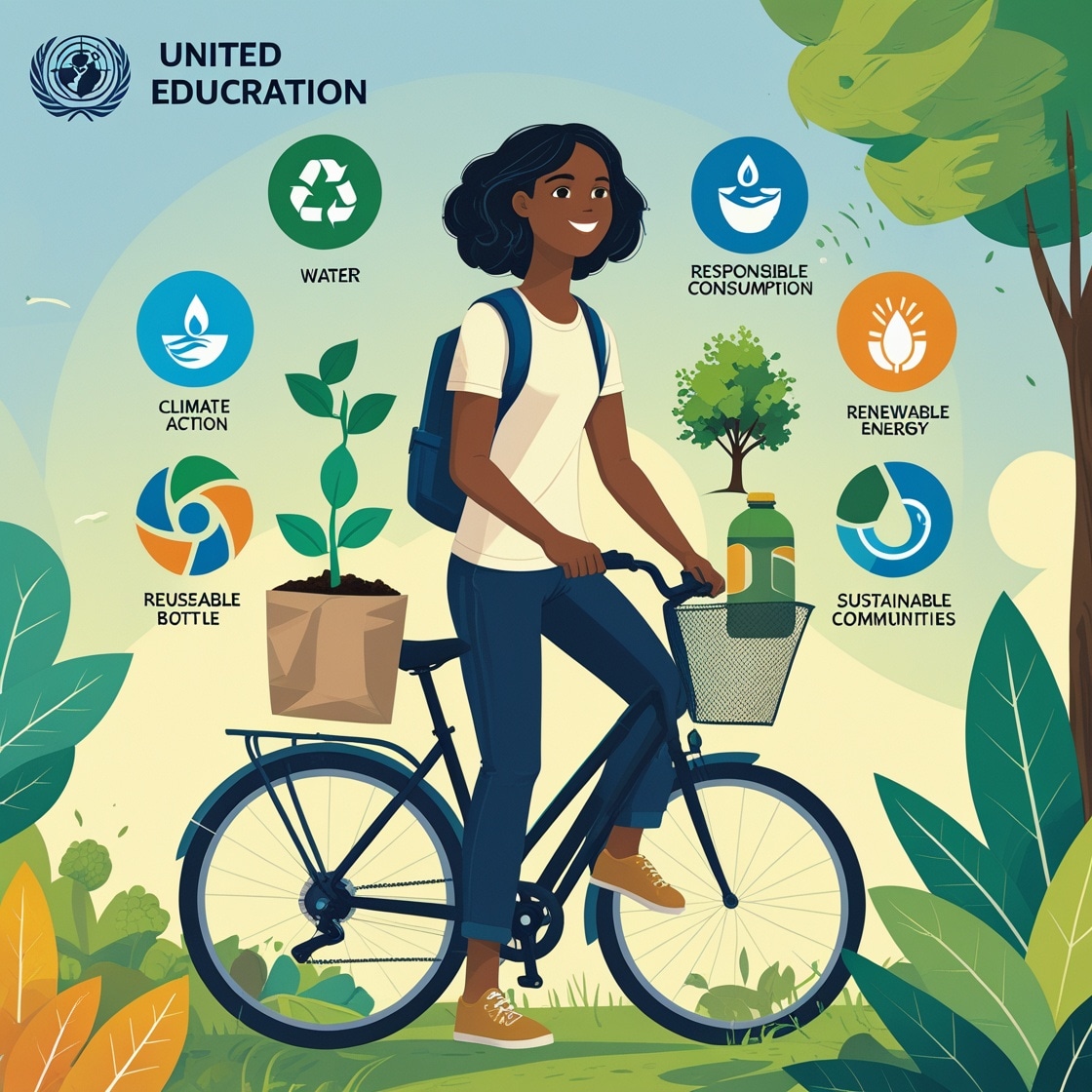
No single person can solve global challenges alone, but individual choices still matter. Reducing food waste, saving energy, using public transport, repairing items, choosing reusable products, and supporting ethical businesses are practical ways to lower environmental impact. The UN’s ActNow campaign encourages people to change habits and make less harmful environmental choices in order to confront climate change and build a more sustainable world.
These actions are valuable not only for their direct impact, but also for what they represent. They show that sustainability is possible in ordinary life. When one person adopts a new habit, family members, friends, coworkers, and neighbors may notice, ask questions, and begin their own changes. Individual behavior can gradually become social behavior.
Learning Builds the Power to Act
Awareness alone is not enough. People need knowledge, skills, values, and confidence to act effectively. Education for Sustainable Development helps learners of all ages understand complex issues such as climate change, biodiversity loss, resource overuse, and inequality, while empowering them to contribute to environmentally sound and socially inclusive futures.
This kind of learning is lifelong. It happens in schools, workplaces, families, community centers, and online communities. It also includes practical skills: how to reduce waste, understand climate risks, evaluate information, participate in local decision-making, and collaborate with others. UNESCO highlights that ESD develops competencies such as systems thinking, problem-solving, and collaboration.
Social Action Turns Values Into Change
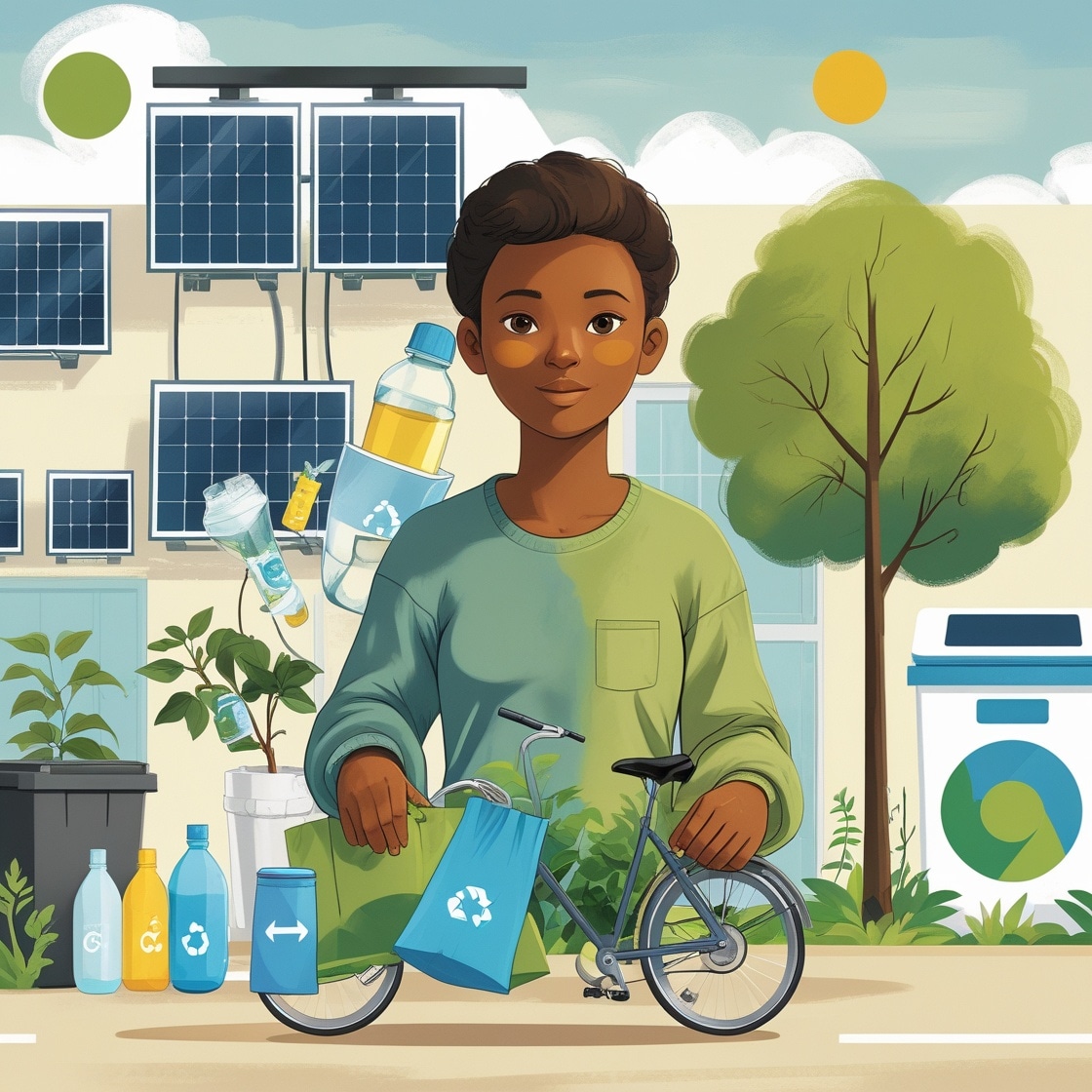
Individual action becomes more powerful when people work together. Joining a local cleanup, supporting a community garden, participating in disaster-preparedness activities, volunteering with an NGO, or advocating for better public services can turn personal values into visible community change.
The UN stresses that the SDGs are most effective when pursued together, and that progress requires collective leadership from governments, civil society, youth movements, women’s organizations, and the private sector. Civil society plays a particularly important role by connecting local needs with policy discussions, holding institutions accountable, and building partnerships for sustainable cities and communities.
Everyone Has a Different Role
A sustainable society does not require everyone to do the same thing. A student may raise awareness through social media. A parent may teach children about food waste. A business owner may improve supply chains. A retiree may mentor young people. A local group may organize tree planting or disaster-preparedness training.
UNESCO’s community-based education examples show how local people can learn through hands-on activities such as visiting farms, meeting local elders, participating in rice planting, and working with nonprofit organizations. These activities help people connect sustainability to their own culture, geography, and daily life. The goal is not perfection; it is meaningful participation based on each person’s strengths and circumstances.
A Sustainable Future Is Built Together
The SDGs are interconnected. Education supports gender equality, climate action protects food systems, and reducing hunger contributes to peace and stability. The UN notes that progress in one area can accelerate progress in others, which is why individual and collective action must continue at both local and global levels.
A sustainable society will be created by millions of people making thoughtful choices, learning from one another, and working within their communities. It will be built not only through policies and technology, but through everyday responsibility, cooperation, and hope.
Every person’s awareness matters. Every action can influence someone else. And every community effort can help turn the SDGs from global goals into lived reality. The future depends not on a few perfect actors, but on many people acting together—individually and collectively, locally and globally.