2026/10/30 11:03
Education Is Essential for a Sustainable Future
A sustainable society cannot be achieved through technology, laws, or infrastructure alone. It also depends on people understanding why environmental protection and climate action matter. Education gives individuals the knowledge, skills, values, and confidence to make informed decisions and participate in solutions.
UNESCO describes Education for Sustainable Development (ESD) as a key approach that helps people of all ages address climate change, biodiversity loss, resource overuse, and inequality. It empowers learners to contribute to futures that are environmentally sound, economically viable, and socially inclusive. In this sense, education is not only about preparing people for jobs; it is about preparing them to protect the planet and build fairer societies.
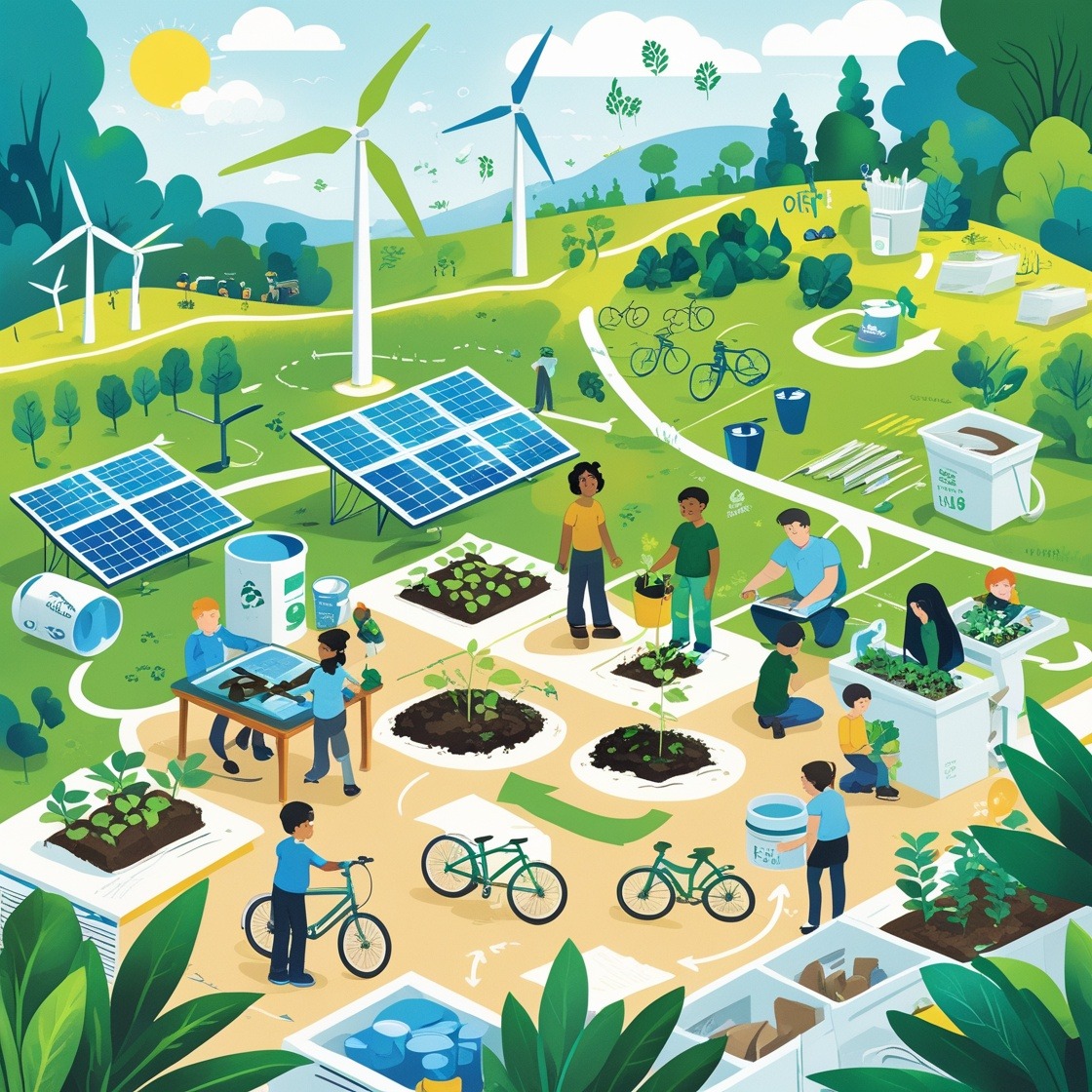
Understanding Climate Change Beyond Fear
Climate change education should begin with accurate knowledge. People need to understand how greenhouse gas emissions affect the climate, why extreme weather is becoming more common, and how these changes influence food, water, health, homes, and livelihoods. Without clear understanding, it is difficult to respond effectively.
UNESCO emphasizes that climate change education helps people understand the climate crisis, change attitudes and behaviors, and take action to limit climate change. It also notes that education must address not only scientific facts, but also emotions and behavior, helping people engage with climate issues through both knowledge and care. This approach can reduce anxiety by replacing helplessness with practical understanding.
Learning to See the Connections
Environmental issues are interconnected. Deforestation can increase flood risks and biodiversity loss. Plastic pollution affects oceans, wildlife, and human health. Unsustainable consumption increases greenhouse gas emissions and depletes natural resources. Climate change, in turn, can worsen poverty, food insecurity, and inequality.
Education for Sustainable Development helps learners understand these complex connections. It encourages them to see environmental protection, economic development, and social justice as linked rather than separate issues. This systems-thinking approach is essential for creating solutions that do not solve one problem while creating another.
From Knowledge to Action
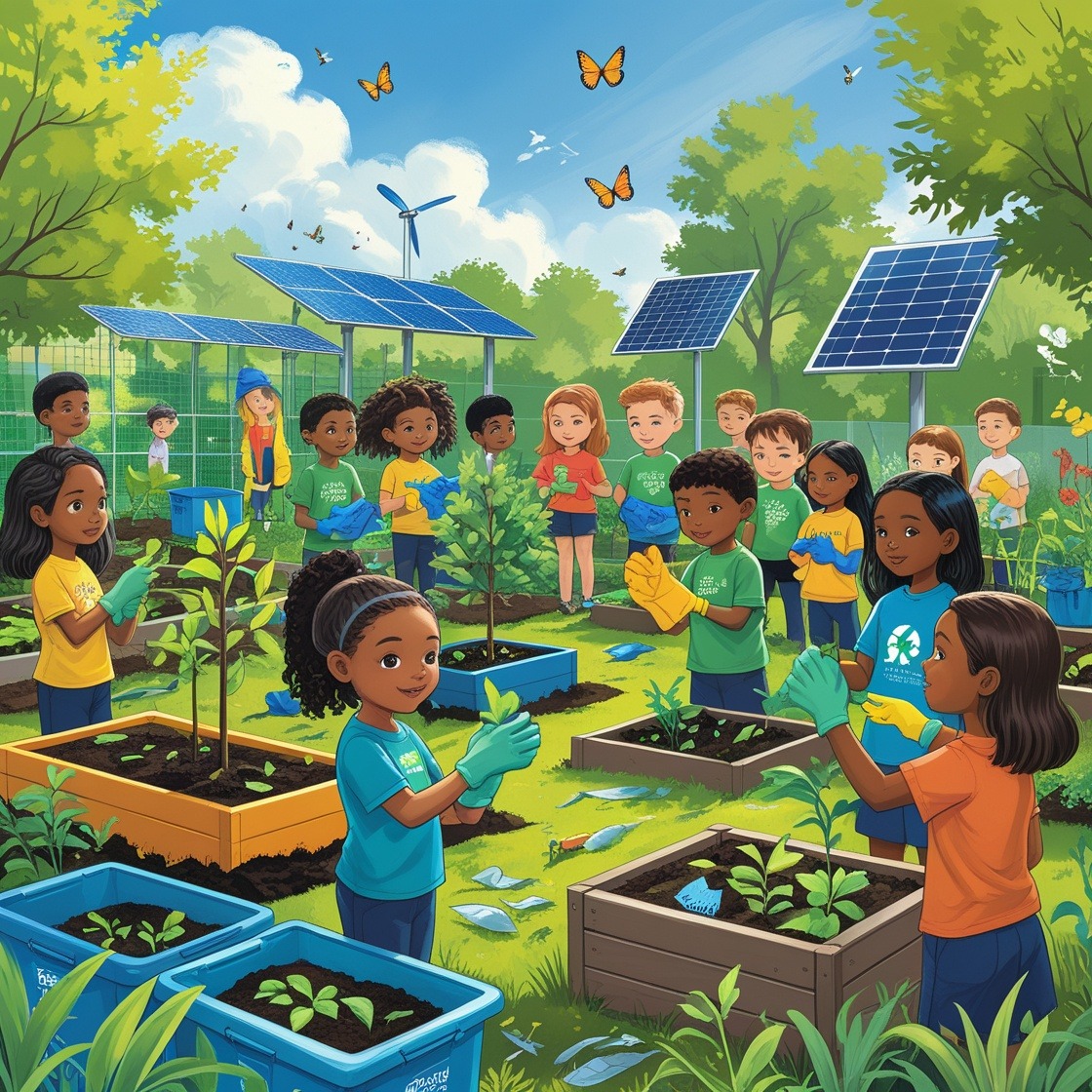
Knowing about environmental problems is not enough. Education should help people turn understanding into action. This can include saving energy, reducing food waste, using public transport, repairing items, planting trees, conserving water, and supporting sustainable products and businesses.
UNESCO stresses that climate education should go beyond awareness-raising and strengthen learners’ ability to take action. It recommends a whole-school approach that includes not only the curriculum, but also school energy use, water management, healthy food, and biodiversity conservation. When students see sustainable practices in their daily environment, learning becomes more real and lasting.
Building Skills for Green Transitions
A sustainable society will need people who can design, build, manage, and improve green systems. This includes renewable energy technicians, sustainable farmers, environmental planners, circular-economy designers, climate scientists, and community leaders. Education must therefore develop both environmental awareness and practical skills.
UNESCO highlights that climate change education can prepare learners for low-carbon, climate-resilient economies and societies by equipping them with future-oriented knowledge, skills, values, and attitudes. It also emphasizes competencies such as critical thinking, imagining future scenarios, and making decisions collaboratively. These skills help people adapt to change and create new opportunities rather than simply reacting to crises.
Education Strengthens Communities and Democracy
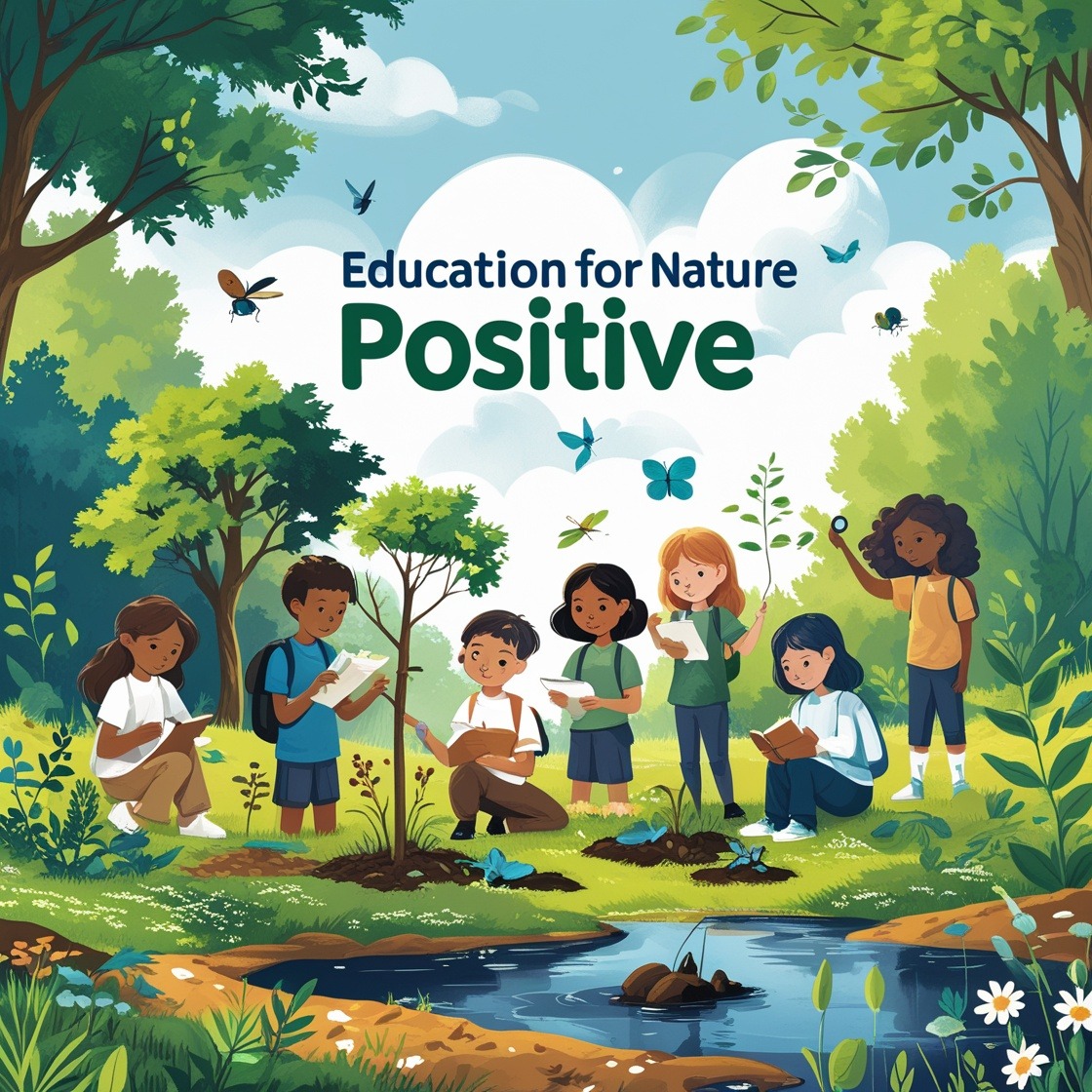
Environmental education is not only for children. Adults, parents, workers, and local leaders also need opportunities to learn about climate risks and sustainable practices. Community workshops, public lectures, workplace training, and local disaster-preparedness programs can help people make better decisions together.
UNESCO notes that education raises awareness, increases knowledge, and develops the capacity of actors worldwide to play an active role in achieving the 2030 Agenda. When communities understand climate risks, they can prepare for disasters, protect vulnerable residents, and participate more effectively in local decision-making. Education therefore strengthens both environmental resilience and democratic participation.
A Society That Learns to Live Sustainably
The SDGs require long-term change in how societies produce, consume, build, travel, and care for nature. Education is the foundation that makes this change possible. It helps people understand environmental limits, respect biodiversity, reduce waste, and recognize that human wellbeing depends on a healthy planet.
UNESCO describes education as both a goal in itself and a key enabler for achieving all other SDGs. Environmental and climate education should not create fear or guilt. It should inspire responsibility, creativity, and hope. When people understand the connections between their choices and the planet’s future, they are more likely to act—together, locally and globally—to build a sustainable society.