2026/11/06 16:27
The Future Is Built by Local Resource Use
Global environmental challenges can feel too large for any one community to solve. Yet the way local communities use food, water, energy, materials, and everyday products has a major effect on the planet. SDG 12 calls for sustainable consumption and production, including the efficient use of natural resources and substantial waste reduction through prevention, reduction, recycling, and reuse.
A community that uses resources wisely does more than reduce trash. It lowers pressure on forests, oceans, minerals, and energy systems while creating local jobs, saving money, and strengthening relationships among residents. UNEP notes that circular approaches in cities can reduce environmental footprints and emissions while creating local business and economic opportunities.

From “Throw Away” to “Use Again”
The traditional model of consumption is linear: resources are extracted, made into products, used briefly, and thrown away. A circular model changes this flow. It keeps products and materials in use for as long as possible through repair, reuse, sharing, refurbishment, remanufacturing, and recycling.
Communities can make this model practical. A neighborhood can host repair cafés where residents fix clothing, electronics, bicycles, and furniture. Schools and community centers can organize swap events for books, toys, clothes, and tools. Local shops can offer refill stations, reusable containers, or take-back programs for used goods. The UN notes that community partnerships can help drive demand for circular solutions by promoting reuse, repair, and alternative consumption models.
Food Waste Is a Local Opportunity
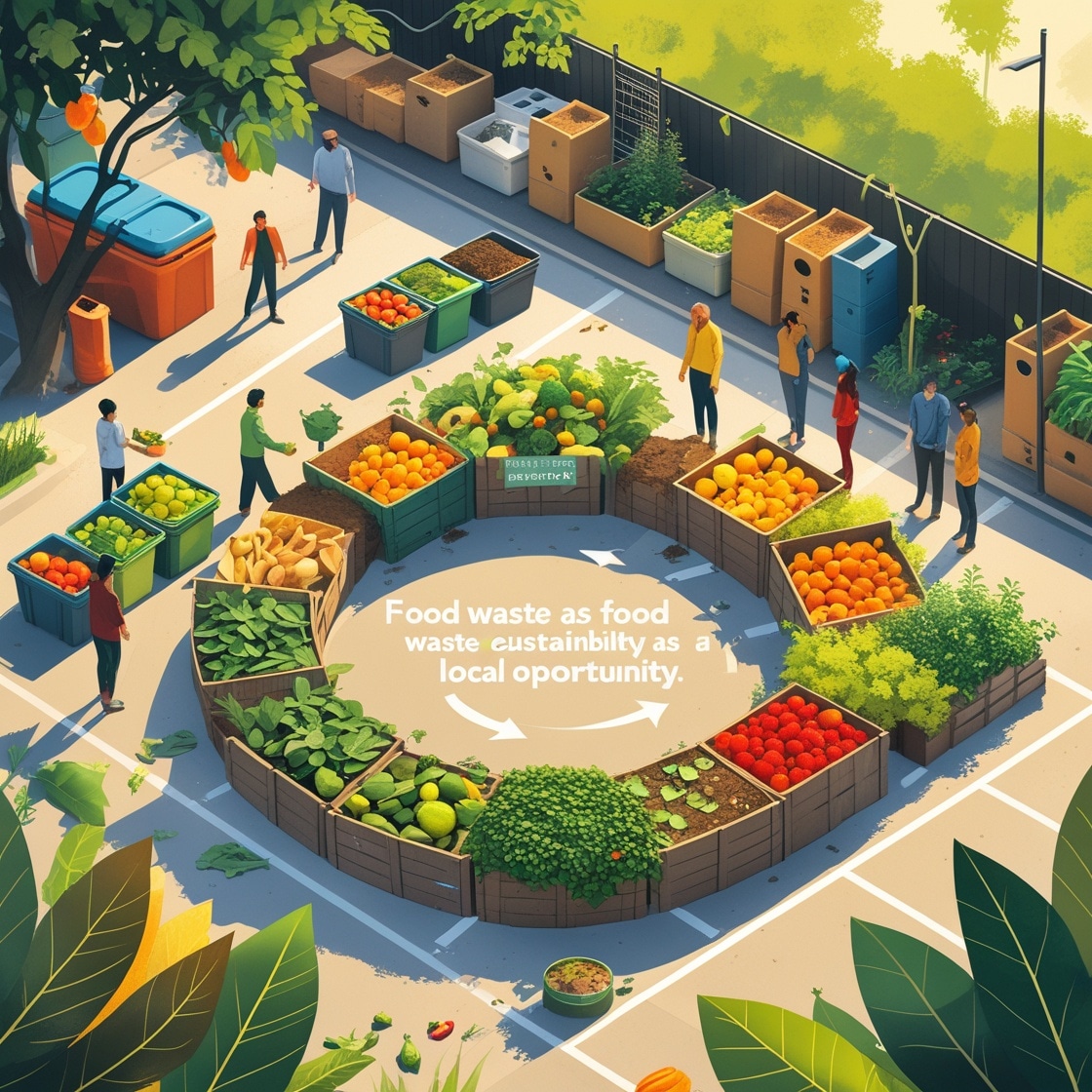
Food is one of the clearest examples of wasted resources. When food is thrown away, the water, land, energy, labor, and transportation used to produce it are wasted too. SDG Target 12.3 aims to halve per capita global food waste at retail and consumer levels by 2030.
Local communities can reduce food waste through practical systems: meal planning workshops, community fridges, food-sharing apps, partnerships between restaurants and food banks, composting programs, and cooking classes that teach people to use leftovers. UNEP emphasizes that circular food systems are essential for achieving SDG 12.3 and can turn food waste into valuable resources rather than pollution. Compost from community gardens or food-scrap collection programs can return nutrients to the soil and support local food production.
Sharing Makes Resources Go Further
Not every household needs to own every tool, appliance, or item. A community can establish sharing systems for rarely used items such as drills, camping equipment, party supplies, sewing machines, or children’s toys. Libraries of things, rental services, and neighborhood exchange groups can reduce the number of products that must be manufactured, transported, stored, and eventually discarded.
Sharing also builds social connection. When people borrow, lend, repair, and exchange goods, they develop trust and learn from one another. The UN highlights that community-led initiatives can mobilize people, promote reuse and repair, and support social and solidarity economy models that combine environmental sustainability with social inclusion.
Recycling Works Best With Better Design
Recycling is important, but it should be the last step—not the first solution. UNEP stresses that true circularity is not just recycling; it also means reducing what enters the economy in the first place and keeping materials valuable for as long as possible.
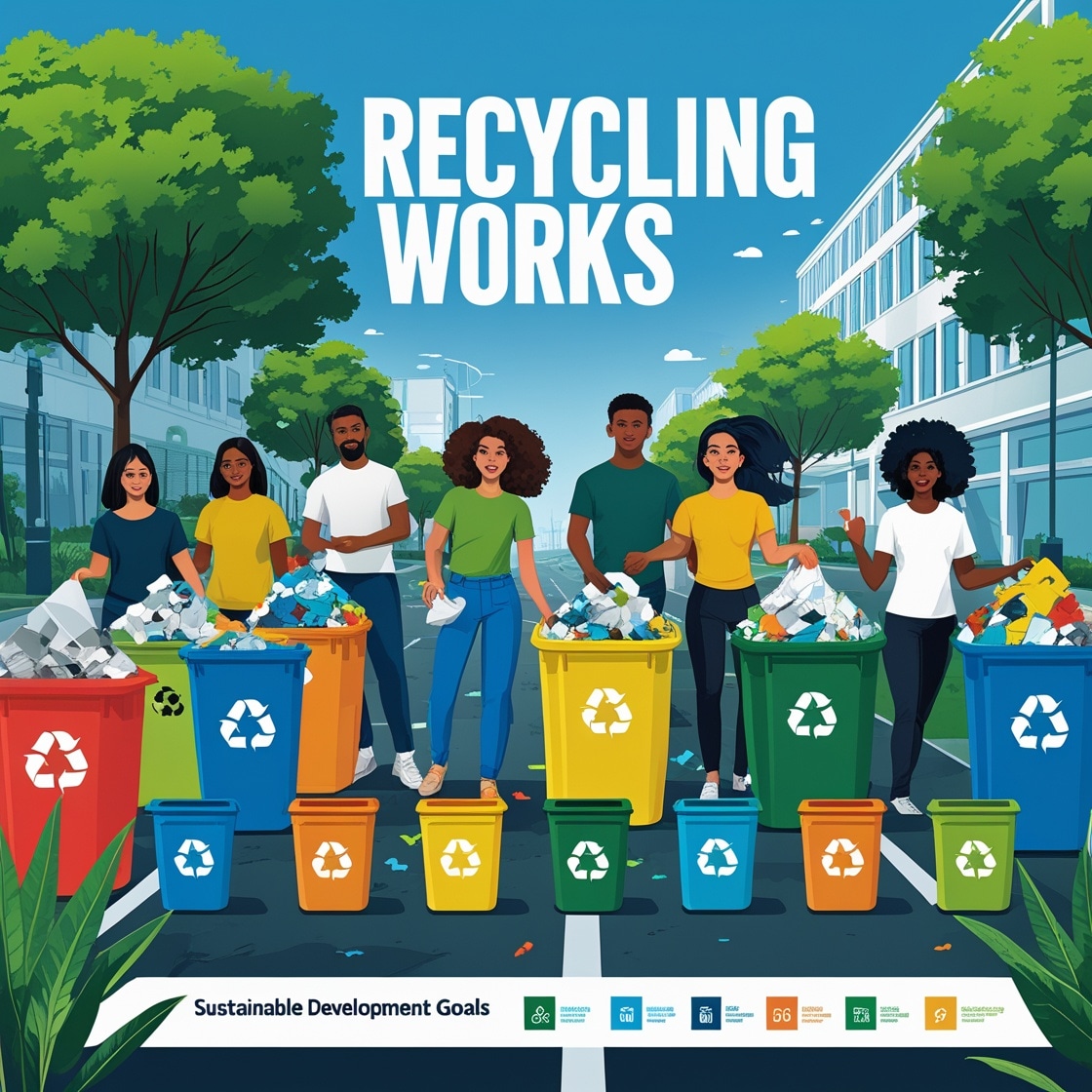
Communities can improve recycling by making sorting simple, providing clear information, and working with local businesses to reduce packaging. They can also support products designed for durability, repairability, and eventual recovery. The UN notes that eco-design, durability, repairability, reuse, remanufacturing, and high-quality recycling can reduce demand for energy-intensive virgin materials and lower emissions across product life cycles. When residents understand these connections, recycling becomes part of a larger resource strategy rather than a routine chore.
Local Governments and Businesses Must Join In
Individual action is powerful, but communities need supportive systems. Local governments can provide accessible recycling facilities, support repair and reuse centers, use sustainable public procurement, and include circularity in urban planning. Businesses can design products that last longer, reduce packaging, offer repair services, and use recycled materials.
UNEP highlights that cities can advance circularity through circular public procurement, decentralized systems, innovation hubs, digitalization, and inclusive policies. It also stresses that collaboration between local and national governments is crucial for building circular local economies. When residents, businesses, and local authorities work together, resource efficiency becomes easier and more visible in everyday life.
A Circular Community Builds a Resilient Future
A community that shares, repairs, reuses, composts, and recycles is doing more than managing waste. It is building resilience against climate change, supply-chain disruptions, and rising resource costs. It is also creating local employment in repair, recycling, logistics, community gardening, and sustainable retail.
UNEP notes that circular approaches help keep materials in use, improve resource efficiency, and strengthen resilience while reducing pressure on natural resources. The UN also emphasizes that ecological transitions are most successful when they are led and owned by communities themselves.
A sustainable future will not be created by a single global solution. It will be created through many communities making better use of what they already have. When local people turn waste into resources, share what they own, repair what is broken, and support circular businesses, they help build a society that is both environmentally responsible and socially connected.