2026/11/09 17:45
Family Life Is a Foundation of Sustainability
When we imagine a sustainable future, we often picture renewable energy, electric vehicles, or green cities. But sustainability also depends on how families live, care for one another, share responsibilities, and raise the next generation. Families remain central to social life: they support members’ wellbeing, educate children, and provide care for both younger and older people.
A sustainable family life is not about returning to one fixed model of the household. It is about creating families—whatever their form—that are safe, healthy, economically secure, gender-equal, and able to participate in society. UN DESA emphasizes that families in all their diversity must be recognized, strengthened, and supported.
Care Should Be Shared, Not Burdened
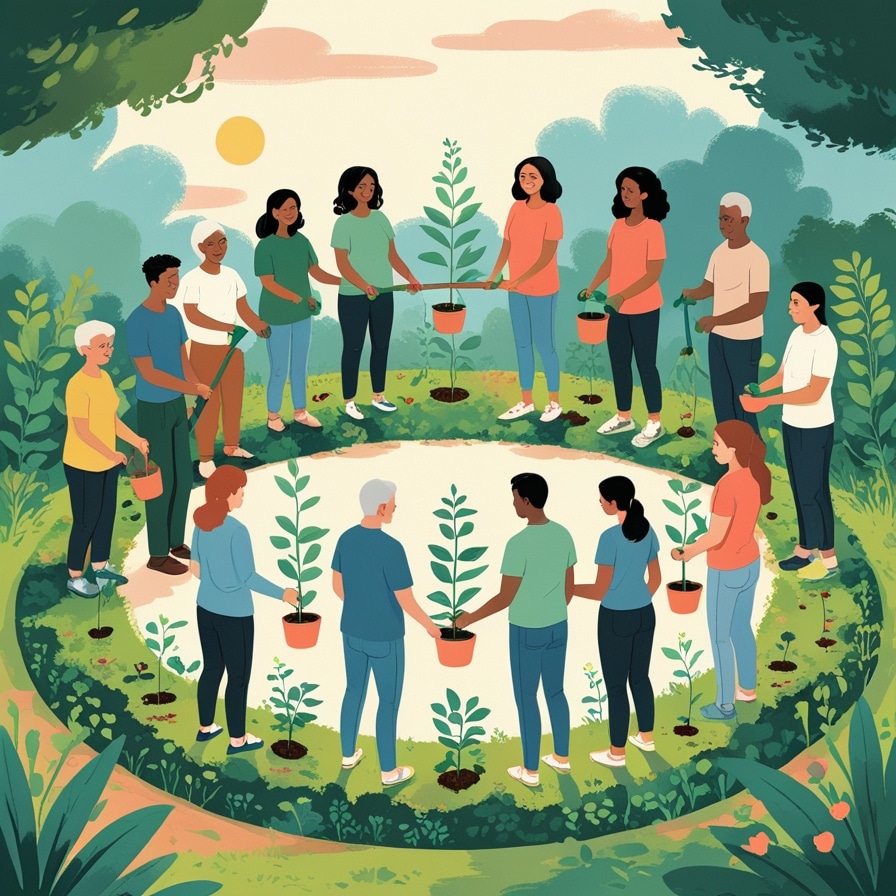
In many societies, unpaid care work—raising children, caring for older relatives, managing households, and supporting family members—still falls disproportionately on women. This creates inequality at home and limits women’s opportunities in education, employment, and public life.
A sustainable family model should distribute care fairly among partners, generations, and society. UN DESA notes that work-family balance and a fairer distribution of household responsibilities contribute to poverty reduction, food security, education, and gender equality. Shared care is not only a family issue; it is a social and economic issue that affects wellbeing across generations.
Work Must Leave Room for Family
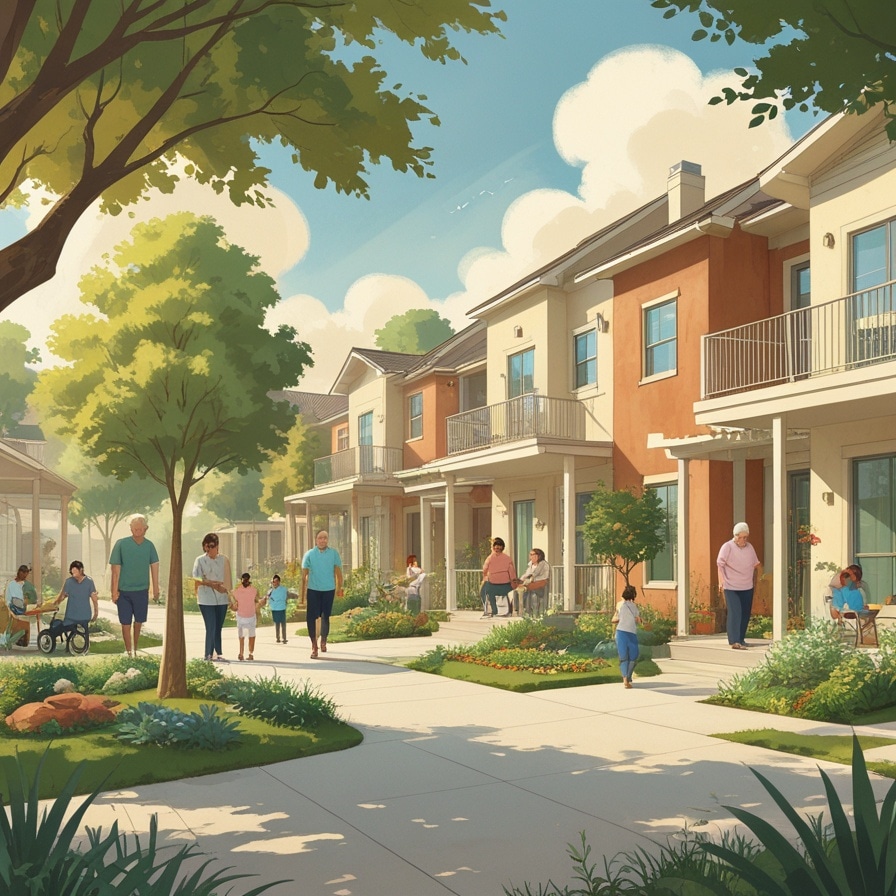
A sustainable society needs workplaces that recognize people as more than workers. Parents and caregivers need predictable schedules, parental leave, affordable childcare, flexible work options, and protection from excessive working hours. Without these conditions, family life becomes a source of stress rather than stability.
UNICEF and the ILO recommend universal childcare, parental leave, stronger social protection, and family-friendly policies embedded in national development plans. UN DESA also highlights that family-oriented policies can improve child development, intergenerational support, and work-family reconciliation. When work and care are better balanced, families can invest more time in health, learning, relationships, and community participation.
Homes Should Support Health and Belonging
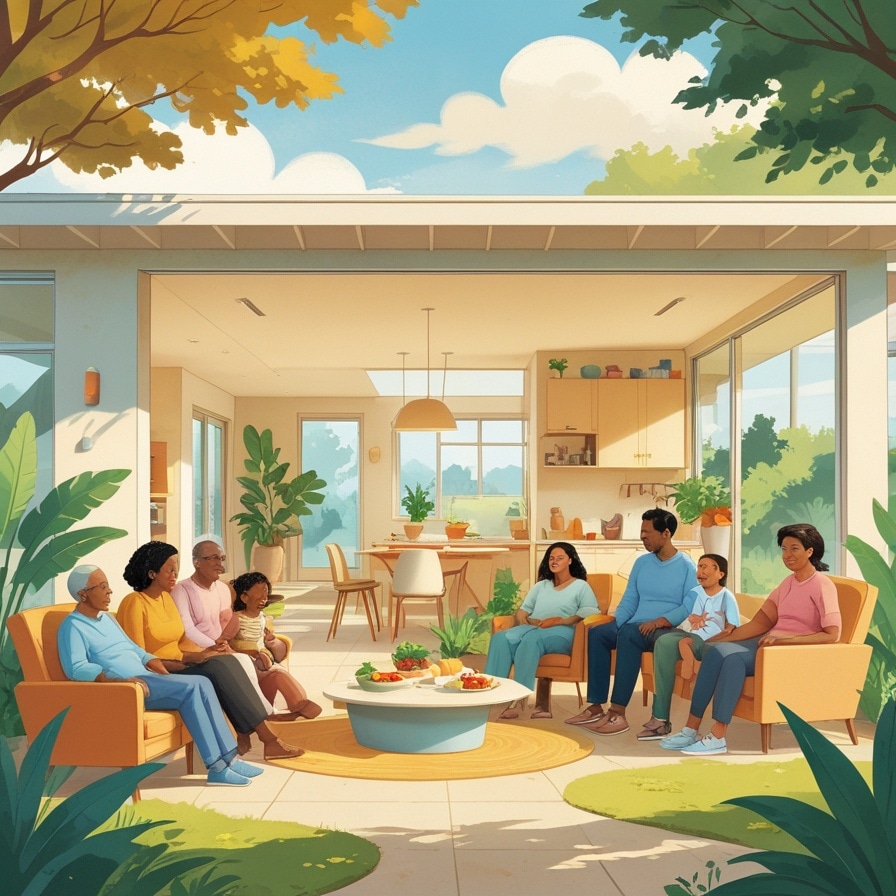
A family’s wellbeing depends heavily on where and how it lives. Safe housing, clean water, accessible healthcare, green space, transport, and community services all shape daily life. UN DESA notes that adequate and safe housing is foundational to family life because it affects access to education, health, and employment.
Sustainable communities should therefore be designed around families: walkable neighborhoods, safe public spaces, nearby schools and clinics, affordable housing, and accessible services for older people and people with disabilities. A family-friendly city is also a more inclusive and resilient city.
Families Can Teach Sustainable Values
Families are powerful places for learning. Children develop attitudes toward food, consumption, nature, money, gender roles, and cooperation through everyday family life. Parents and caregivers can model sustainable habits—reducing food waste, repairing items, using public transport, saving energy, and respecting local ecosystems.
UN DESA highlights that families can contribute to climate action by promoting sustainable food systems, advocating for renewable energy, and engaging in environmental education. Family life can also build the social values needed for sustainability: empathy, responsibility, cooperation, and concern for future generations. These values are difficult to teach through policy alone; they grow through daily relationships.
Intergenerational Relationships Build Resilience
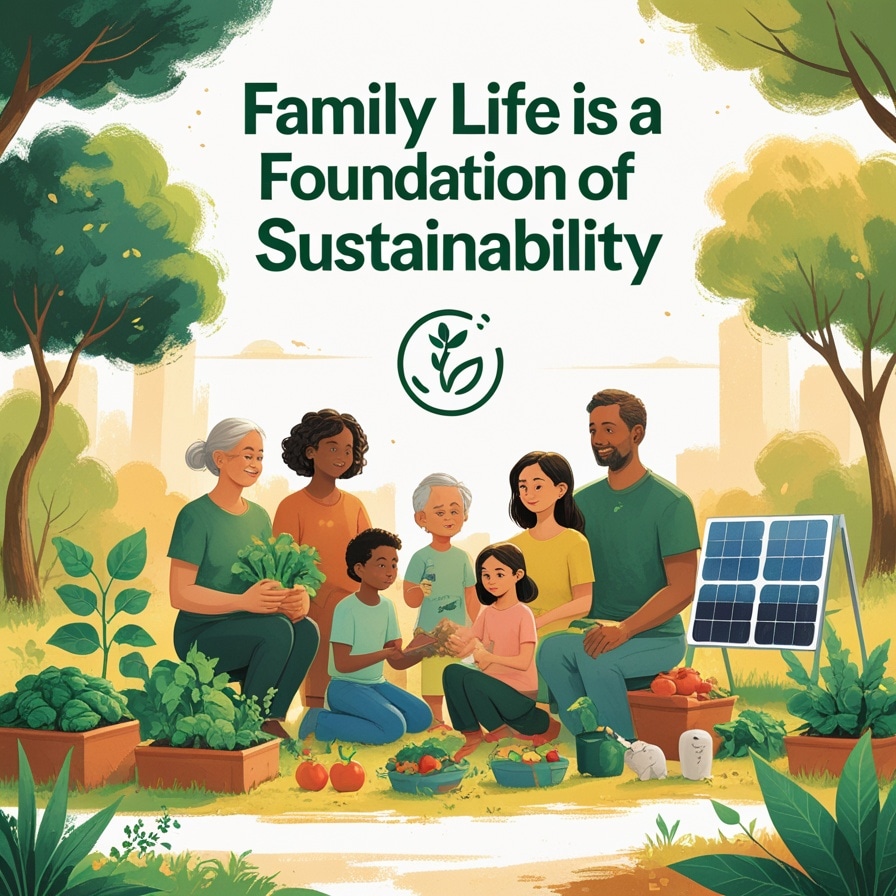
A sustainable family life connects generations rather than isolating them. Older people can share experience, childcare support, and community knowledge. Younger people can bring digital skills, new ideas, and energy for social change. When generations live in mutual respect, families become a source of resilience during illness, economic hardship, disasters, and social change.
UN DESA notes that families provide care for vulnerable members, including children, older people, and persons with disabilities. It also highlights that intergenerational care and support are important parts of family wellbeing. Supporting multigenerational relationships can reduce loneliness, strengthen local communities, and make care systems more humane.
Family Policy Must Be Inclusive
Not all families have the same needs. Single-parent households, migrant families, low-income families, families with disabilities, Indigenous families, and rural families may face greater barriers to housing, healthcare, education, and stable employment. UN DESA reports that these groups often experience sharper and more persistent inequalities in family wellbeing.
Sustainable family policy must therefore be inclusive and flexible. It should support diverse family forms, protect children’s rights, prevent violence, and ensure that no family is left behind. The UN stresses that family-focused approaches are essential for achieving inclusive societies and that isolated policies targeting individuals without considering family contexts are likely to fail.

A Future Worth Inheriting
A sustainable future is not only about reducing carbon emissions or protecting ecosystems. It is also about creating a society where people can form caring relationships, raise children with dignity, age with security, and participate fully in community life. Families are not separate from sustainability—they are one of its foundations.
The UN states that families and family policies are key for a sustainable future. When families are supported through fair care systems, secure housing, decent work, gender equality, and strong communities, they become active partners in building a more just and resilient world.
Family life in a sustainable society should be a place where care is shared, diversity is respected, and every generation can thrive.